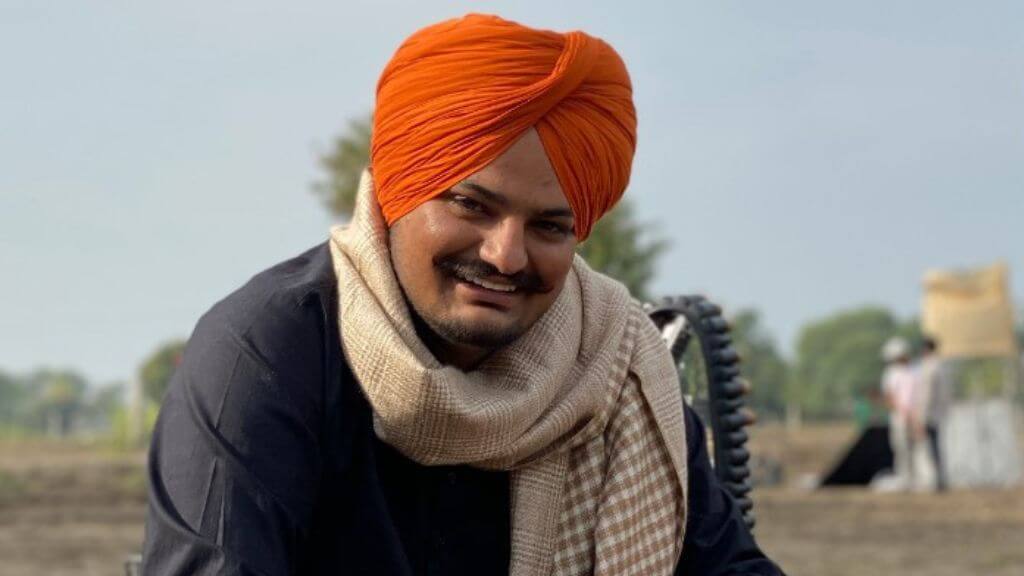
Introduction
Sidhu Moosewala—even just the name echoes like thunder among Punjabi music fans. In a few short years, he transformed from a small-town youth to a global icon, leaving behind a legacy that still resonates deeply across generations. His songs weren’t just music—they were raw stories, bold statements, and a mirror of life in Punjab and beyond.
Early Journey & Rise to Fame
Born as Shubhdeep Singh Sidhu in the village of Moosa, Punjab, Sidhu Moosewala came from humble beginnings. With a gritty voice, fearless lyrics, and genuine swagger, he quickly stood apart from conventional Punjabi singers. What made him special was not just his style but his unapologetic honesty. He sang about streets, struggles, pride, love, betrayal, and identity—often touching chords that few dared to.
His breakthrough came as he merged traditional Punjabi sounds with rap and hip-hop influences, creating songs that appealed to youth thirsty for realism. Through hits like 295 (2021), he showed a depth beyond party tracks—a mix of introspection, angst, and cultural pride.
Moosewala wasn’t just another singer; he became a voice for many who felt unseen. In a short time, he got massive fame—and a loyal fanbase that felt connected to everything he stood for.
Musical Style & Impact
What set Sidhu apart was his fearless storytelling. His music mixed elements of Punjabi folk, hip-hop, rap, and gangster-style lyricism. Sometimes raw, sometimes poetic—but always real. Song after song, he painted the struggle of the underdog, the dilemmas of ambition, the pride of his roots, and the pain of betrayal.
Tracks like The Last Ride gave glimpses into existential thoughts and mortality—particularly chilling given what followed later. Meanwhile, songs like “Levels” showed his rebellious side as he addressed ongoing feuds in the industry, cementing his stance as someone who didn’t shy away from confrontation.
Through his music, Moosewala didn’t just entertain—he provoked thoughts, stirred emotions, and challenged norms. That’s why even his controversies couldn’t dim his star; they often strengthened the sense of authenticity people felt in him.
Tragic End—And What It Meant
On 29 May 2022, the music world lost him. Moosewala was shot dead in Punjab’s Mansa district—a brutal, sudden end to a brilliant, albeit controversial, career.
His death shocked fans across the globe. Many felt robbed of potential—albums unfinished, stories untold, controversies unresolved. His absence left a silence, but for most, his voice continued to live on through the music he left behind.
In a strange, haunting coincidence, some of his songs—originally released before his death—took on a prophetic tone in retrospect. The lyrics about life, youth, violence, and fate began to feel more like a prelude than mere expression.
Posthumous Releases & Latest Song
Even after his tragic demise, the team and family of Sidhu Moosewala have kept his legacy alive by releasing his unreleased or posthumous tracks. On his 32nd birth anniversary (11 June 2025), three new songs—0008, Neal, and Take Notes—dropped under an EP titled Moose Print.
But beyond that, his most recent song making waves is Lock—released in January 2025. The track quickly became a global hit, and within minutes of release, it crossed hundreds of thousands of views.
Fans and critics alike have hailed “Lock” not just as another posthumous track, but as proof that Moosewala’s voice—and the emotions behind it—is timeless. Even today, through these releases, many feel his presence is alive: raw, real, and deeply felt.
Why Sidhu Moosewala Still Matters
- Authenticity & Rawness: Whether it was stories about roots, rebellions, or regrets, Moosewala never sugar-coated. He spoke what many felt.
- Cultural Bridge: He bridged traditional Punjabi themes with global hip-hop vibes—making Punjabi music accessible to youth worldwide.
- Symbol of Rebellion: For many, he wasn’t just a singer—he was a voice against stereotypes, injustice, and hypocrisy.
- Legacy & Influence: Even after his death, his music continues to inspire artists, fans, and critics because it was rooted in real life, not just glam.
Conclusion
Sidhu Moosewala was—and remains—more than just a singer. He was a phenomenon. A mirror reflecting aspirations, anger, love, pain, identity, and pride. His songs were not just for fun—they were experiences.
Today, as the world listens to his latest releases like “Lock” or the tracks from “Moose Print,” it’s clear: the man may be gone, but the legend persists. For a major chunk of Punjab—and the Punjabi diaspora worldwide—his songs remain songs of home, struggle, rebellion, memory, and unshakable spirit.
Whether you discovered him years back or just recently through his revived songs—one thing remains true: Sidhu Moosewala’s story isn’t just about music. It’s about life, in all its gritty, beautiful, painful glory.